
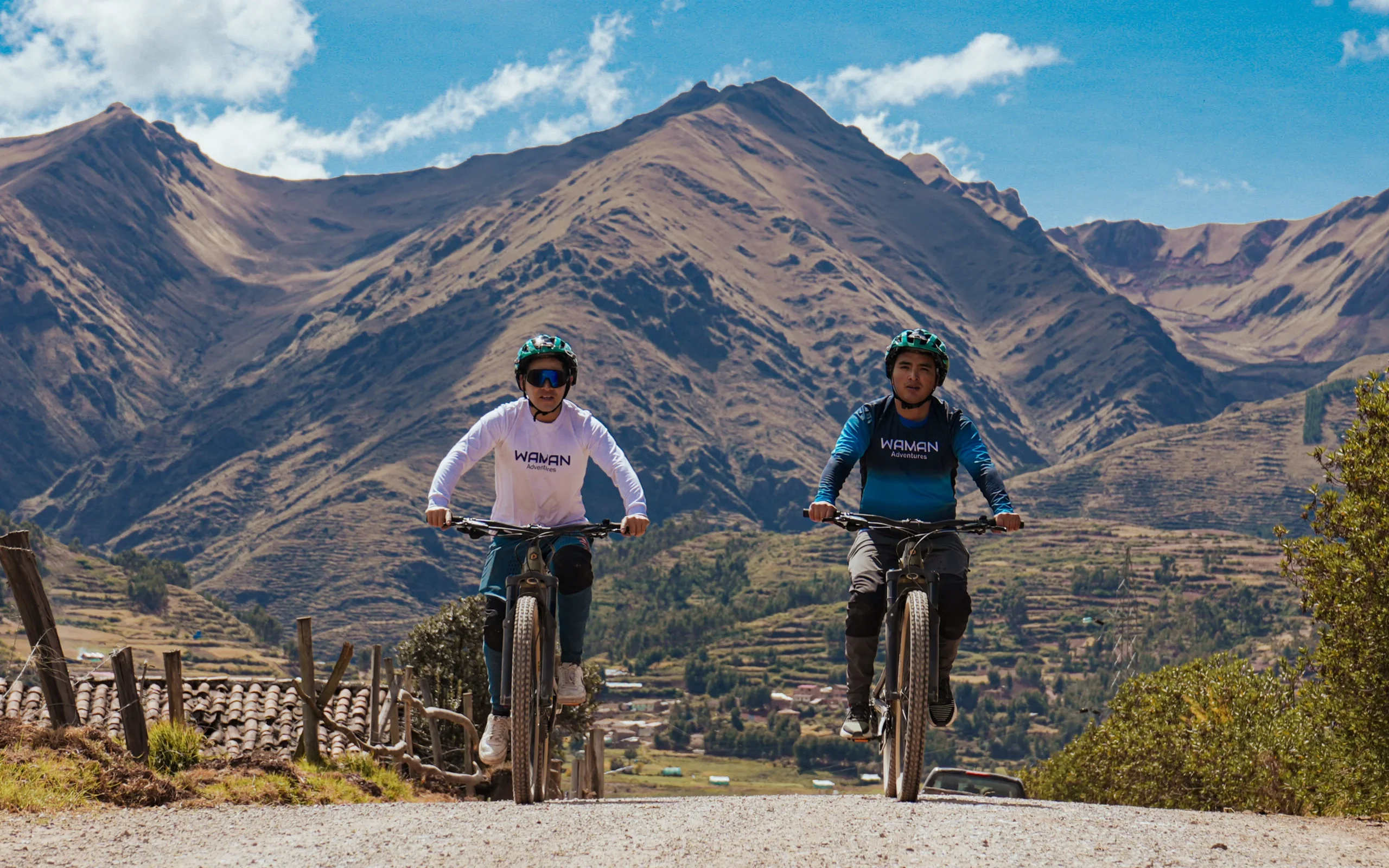
To pick the right Cusco MTB tour, prioritize your technical level and acclimatization. This fast diagnostic helps you decide in minutes whether a scenic route fits you best or if you are ready for a tough enduro singletrack, avoiding unnecessary fatigue.
Want to tackle one of the most technical trails in the Sacred Valley? Discover our day tours in Cusco designed for riders seeking real enduro in the Andes.
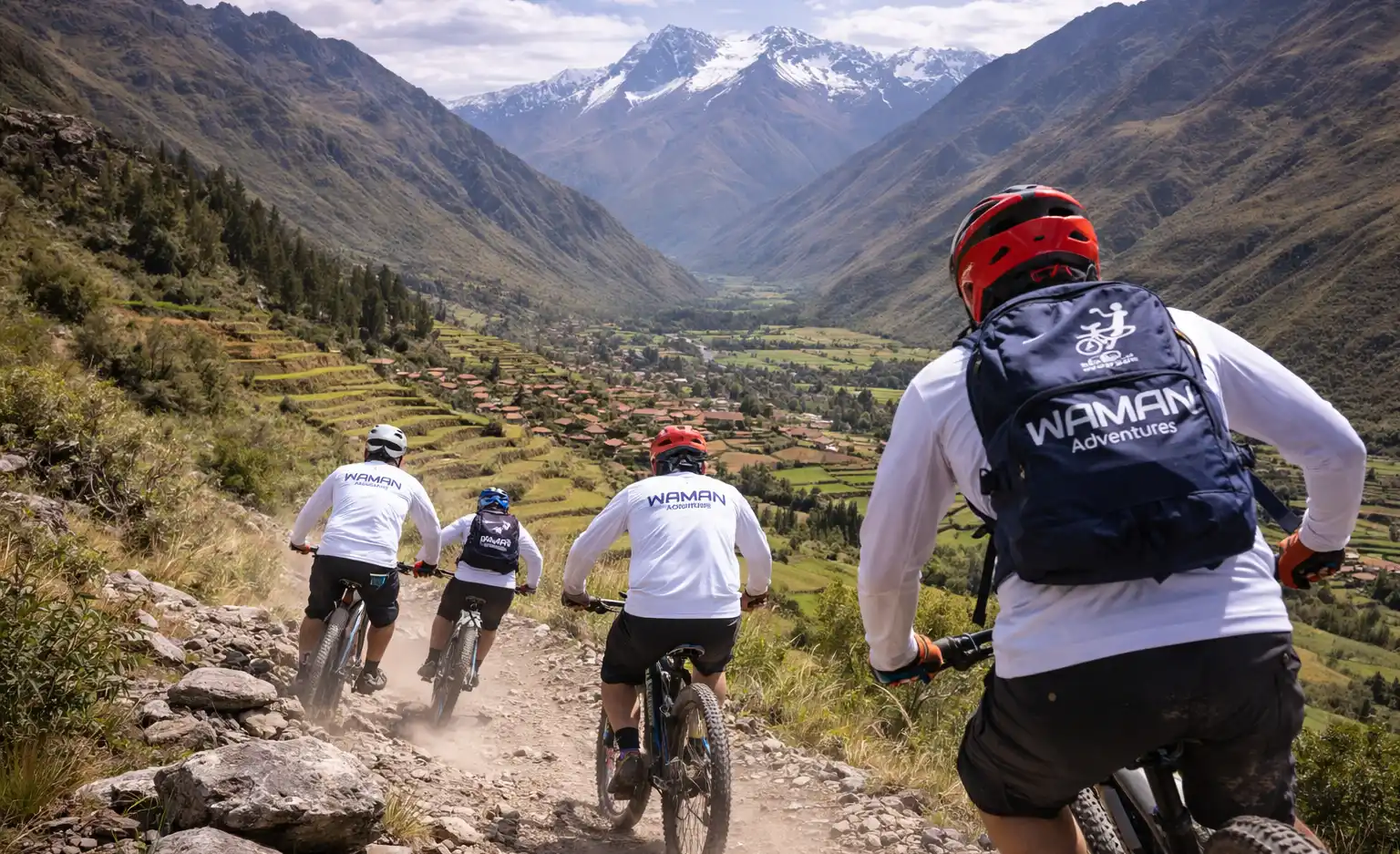
The 3 essential filters to avoid the wrong Cusco MTB Tour
Common mistakes that ruin the experience
Choosing a tour beyond your level leads to panic braking and stiffness. Underestimating altitude accelerates fatigue. Aligning your adrenaline goals with your actual fitness is vital for safety.
- Filter 1: Your Real Skill: Locking up the rear wheel? Stick to wide routes to build control. If you look ahead and keep momentum, step up to technical singletracks.
- Filter 2: Altitude: Start with a lower effort tour. Acclimatize 48–72 hours before attempting long descents or pedal heavy sections.
- Filter 3: Your Goal: Want flow or scenery? Choose smooth routes. Want training? Go aggressive. Don’t force a difficulty level that doesn’t fit.
Quick Diagnostic Questionnaire
This seven question test defines your profile in minutes. Find the Cusco MTB tour that fits your reality to avoid frustration caused by thin air or excessive difficulty.
Block A: Technical Skill (Bike handling)
- 1. On descents with gravel or loose terrain:
A) I grab the brakes and tense up, afraid of sliding.
B) I manage speed, but I sometimes skid.
C) I stay smooth, choose lines, and ease off the brakes. - 2. In tight switchbacks:
A) I put a foot down or stop.
B) I make most turns, but I miss the tightest ones.
C) I look through the turn and carve it smoothly. - 3. When I face steps or rocks (rock gardens):
A) I get off the bike to be safe.
B) I roll them cautiously if they are small.
C) I absorb them or do a bunny hop (a short lift to clear an obstacle) with confidence.
Block B: Altitude Endurance
- 4. Time in Cusco right now (>3,000 m / 9,843 ft):
A) Just arrived (0–24 hours).
B) Adapting (2–3 days).
C) Fully acclimatized (4+ days). - 5. History and current feeling:
A) I tend to get altitude sickness; today I have a headache or feel tired just walking.
B) I adapt quickly; I only feel moderate shortness of breath on climbs.
C) No symptoms; I breathe normally and my energy feels steady.
Block C: Goal and Risk
- 6. My priority for this ride:
A) Cultural scenery, photos, and zero stress.
B) Active adventure, flow, and skill progression.
C) Pure adrenaline, speed, and a physical challenge. - 7. Terrain type and my risk tolerance:
A) Wide tracks with no exposure to falls.
B) Smooth singletracks with manageable obstacles.
C) Rough, exposed, steep, technical terrain.}
Open your result here 👇
MAJORITY A: Beginner / Traveler Profile
Prioritize a scenic MTB tour in the Sacred Valley, avoiding narrow trails. Your goal is to enjoy the landscape without physical suffering or technical risk, making this ideal for acclimatizing on day one.
MAJORITY B: Intermediate / Progression Profile
Your best match combines smooth singletracks with moderate technical sections. The Sacred Valley offers mixed terrain that is perfect for improving cornering and braking without the extreme demands of higher altitude.
MAJORITY C: Enduro / Advanced Profile
You are ready for a demanding MTB tour with rock gardens and steep descents. Look for routes in the high zone (Enduro) and consider a local guide to link sections without losing your rhythm on the connectors.
SPECIAL CASE: Expert but Unacclimatized (Technique C + Altitude A)
Even with enduro level skills, thin air dulls your reflexes. Choose a technical route at a lower altitude (Sacred Valley) on day one before taking on routes above 4,000 m (13,123 ft).
Summary: Your Profile and the Recommended Tour
Find your ideal match. We selected the tour that fits your result for the right dose of flow or adrenaline.
| Profile (Test) | Ideal Zone | Suggested Route and Style |
| Beginner / Traveler | Sacred Valley (Acclimatization) | Maras & Moray Tour Wide trails (double track) with incredible scenery and an easy pace. Great for photos. |
| Intermediate / Progression | North Cusco / Valley | Yuncaypata Tour or Lamay Smooth singletracks through forest. You need basic braking control and cornering. |
| Enduro / Advanced | High Cusco (4,000 m+ / 13,123 ft+) | La Máxima Tour Technical terrain, Inca trails, natural steps, and rock gardens. High physical demand. |
| Downhill / Hardcore | DH Tracks (shuttle = vehicle support) | El Brujo Route Pure descending, drops, and speed. Full protection required. |
| Technical (Day 1) | Sacred Valley | Calca (Lares) Tour Fun technical riding ending at a lower altitude to reduce the risk of altitude sickness on day one. |
Gear Guide: Bike Selection and Andes Checklist
The right gear separates a great ride from a miserable one. Match your bike to the terrain and pack light for rapid weather shifts.
The right bike for the route you chose
- Hardtail: Sufficient for scenic routes and wide roads in the Sacred Valley. It keeps pedaling efficient on mellow climbs and stable terrain without much loose rock.
- Full Suspension: Mandatory for Enduro and technical terrain. Rear suspension boosts traction, smooths out rock gardens, and dramatically reduces fatigue on long descents.

Gear checklist
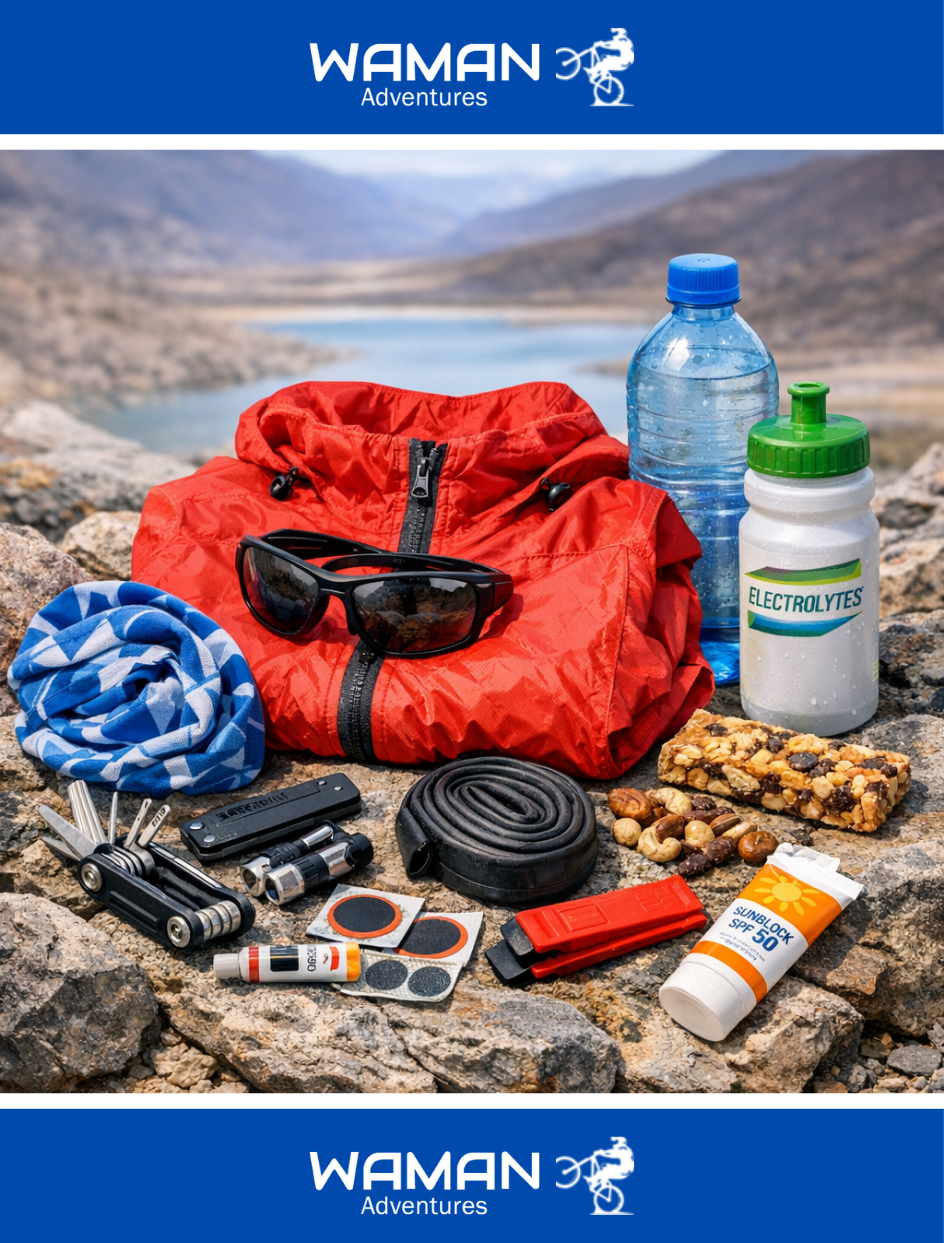
- Layering System: Wear a breathable base layer, add a light insulating layer, and always pack a compact waterproof windbreaker for rain or cold wind.
- Protection: A ventilated open face helmet works for tourism and Cross Country. For aggressive profiles, a full face helmet and knee pads are mandatory if you crash on exposed terrain.
- Hydration and Basic Repair Kit: At least 2 liters (68 oz) of water plus electrolytes to offset the effort at altitude. Add a basic kit (multi tool, CO₂, tube) and quick energy gels.
Seasons and Trail Conditions in Cusco
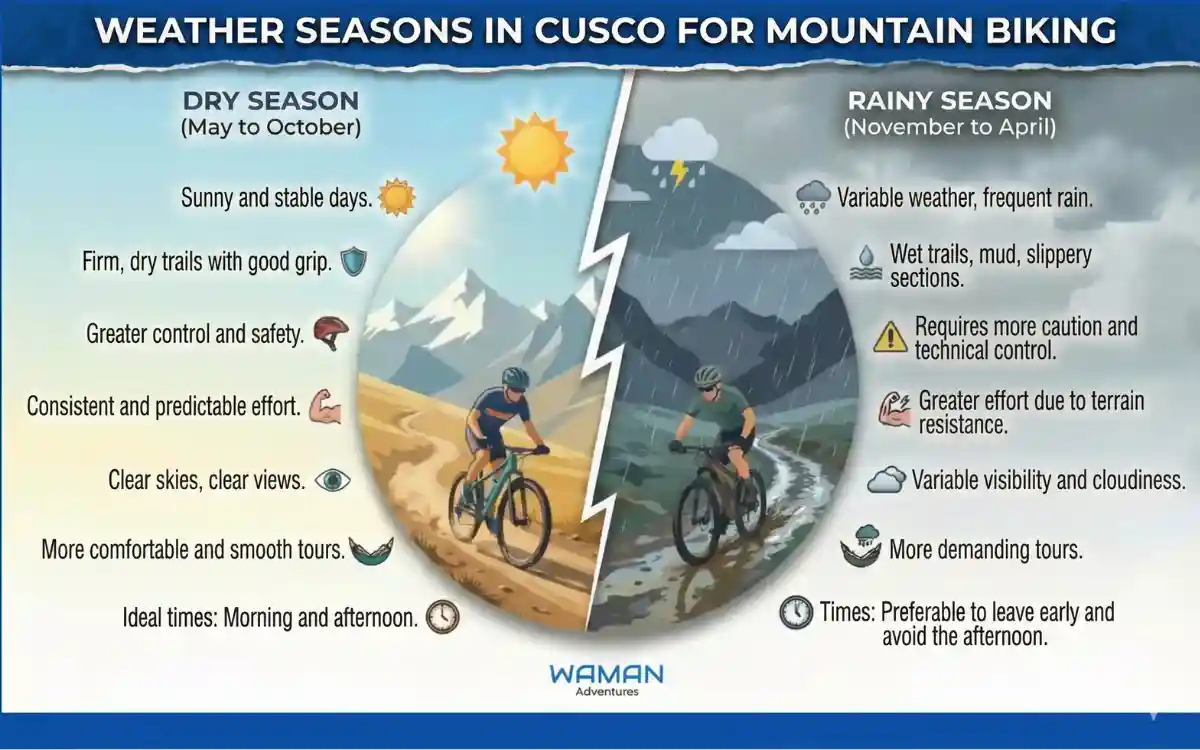
Trail conditions dictate how you brake and corner. In Cusco, ground feel shifts dramatically between seasons.
- Dry Season (May – October): Loose over hard and dusty conditions are common. Cornering traction drops, so you need smooth braking to hold your line without washing out. Daily temperature fluctuations are significant; dust goggles and a windbreaker are strongly recommended.
- Rainy Season (November – April): Trails can range from perfect grip (hero dirt) to unpredictable clay mud. You need flexible logistics when storms roll in, and it helps to prioritize routes with faster drainage plus light waterproof layers to stay warm.
No bad routes, only bad matches. Align technique and altitude for a safe ride.
Thousands of travelers have trusted Peru Biking Tours to live unforgettable experiences in the Andes.
Your safety first
Routes adapted to your level, expert local guides and full support at all times.
Without worrying about anything
We take care of all the logistics so you can just focus on enjoying the scenery.
Authentic routes in Cusco
Experience the Sacred Valley in a real way, at your own pace, with access to the best trails.
Quality equipment
High-end enduro bikes, helmets and protective gear for all levels.
Plan your MTB experience in Cusco
MTB Day Tours in Cusco
If you want to explore MTB routes with the right logistics, local support, and suitable trail selection, check out our MTB Day Tours in Cusco.
Multi-Day MTB Tours
For more comprehensive experiences that connect several valleys and high mountain routes, discover our multi-day MTB Tours.
Frequently Asked Questions
How do I choose the right Cusco MTB tour if I do not know the routes?
Start with three simple filters: your true technical level, how you handle altitude, and your goal for the day (flow, scenery, or skill building). A Cusco MTB tour that looks perfect for an expert can be too much for someone who just arrived. The quick A, B, or C diagnostic is the fastest way to land on the safer option.
What does an A, B, or C result mean?
- A (Enjoyment): Scenic routes, wide terrain, and an easy pace. Priority: acclimatization.
- B (Progression): Smooth singletracks (narrow trails) with moderate obstacles. Priority: cornering skills.
- C (Technical): Demanding Enduro, rough terrain, and steep descents. Priority: adrenaline and advanced handling.
Why does altitude change the Cusco MTB tour experience significantly?
Above 3,000 m (9,843 ft), lower oxygen availability speeds up fatigue and slows muscle recovery. On a Cusco MTB tour, this directly affects pedal heavy connector sections and focus on long descents, which is why a 2 to 3-day acclimatization window is recommended (depending on your personal response).
Do I need previous experience to do a Cusco MTB tour?
Not necessarily, but choosing the right route matters. For beginners, the best fit is a scenic ride on wider terrain with smooth descents. If your experience is limited to city bike paths, strictly avoid Enduro or Downhill tours until you can control the bike on dirt and gravel.
Which bike should I choose: hardtail or full suspension?
- Hardtail: Efficient for scenic routes and stable terrain tourism.
- Full suspension: Mandatory for Enduro because it adds traction and reduces fatigue in rock gardens (rocky sections).
What gear is essential for a Cusco MTB tour?
Stick to layers: a breathable base layer, a light insulating layer, and a compact waterproof windbreaker. For protection, an open face helmet works for easier routes, while a full face helmet and knee pads are required for aggressive profiles. Carry extra hydration, since altitude dehydrates you faster.
What is the best season for MTB in Cusco: dry or rainy?
- Dry (May – October): Loose and dusty conditions. You need precise control in corners that can feel more slippery.
- Rainy (November – April): A chance of hero dirt (perfect grip) or mud, depending on the area. It requires flexible logistics.
Do I need insurance for a Cusco MTB tour?
It is highly recommended. Make sure your policy clearly covers adventure sports, mountain biking, and medical evacuation, and check altitude limits and exclusions so you do not run into issues if something unexpected happens on the trail.