
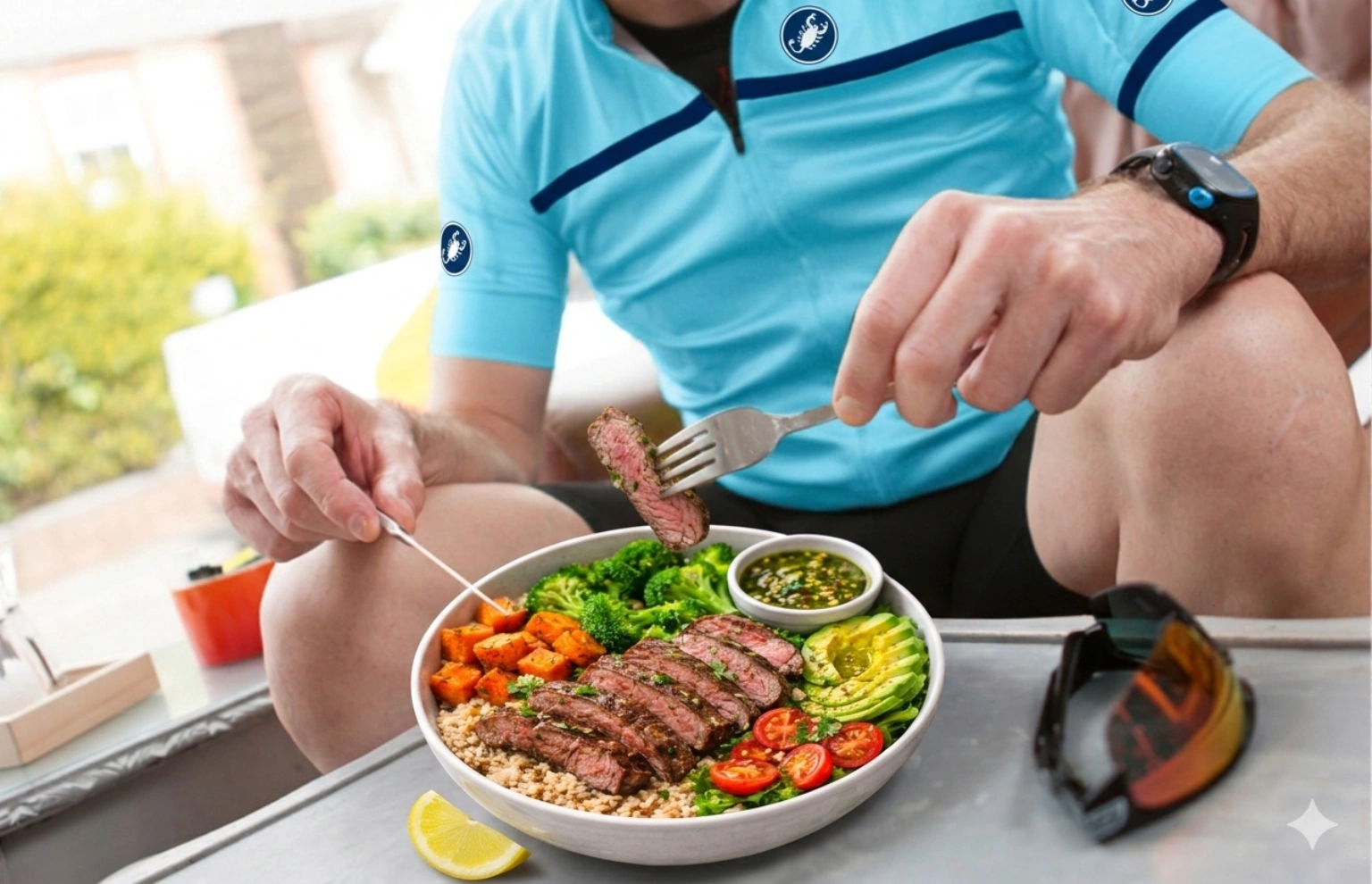
After an intense MTB day in Cusco, nothing feels better than recharging with good food. Post Ride Meals is an essential part of Cusco cycling culture, as it’s not just about eating, but enjoying local flavors that truly help recovery and complete the MTB experience in Cusco.
Looking for the best way to refuel after riding in Cusco? Our day tours are designed for riders who want authentic enduro adventures in the Andes—always more rewarding when you enjoy the right post-ride meals to recover and recharge.
Cusco is also a world class gastronomic destination, with options ranging from traditional Andean cuisine to modern mountain bike food (practical food for athletes). In this article you’ll find clear recommendations on where to eat after your routes, which dishes favor recovery, and how to adapt your every cyclist’s meal plan when riding at altitude.
Why Post Ride Nutrition Matters in Cusco?
- Muscle recovery: carbohydrates + proteins accelerate repair and reduce post route “crash.”
- Real rehydration: liquids + sodium + some sugar help more than just water, especially in dry climate.
- Energy for next day: if traveling and riding multiple days, eating well today means performing tomorrow.
- Culture and community: in Cusco, post ride usually ends at a café, market, or restaurant with the group.
Mountain Bike Nutrition at Altitude
In Cusco many routes are above 9,843 feet (3,000 m). At that altitude, effort feels stronger because you breathe faster, your pulse rises earlier, and you dehydrate easily (even without noticing). That’s why your every cyclist’s meal plan in Cusco should prioritize:
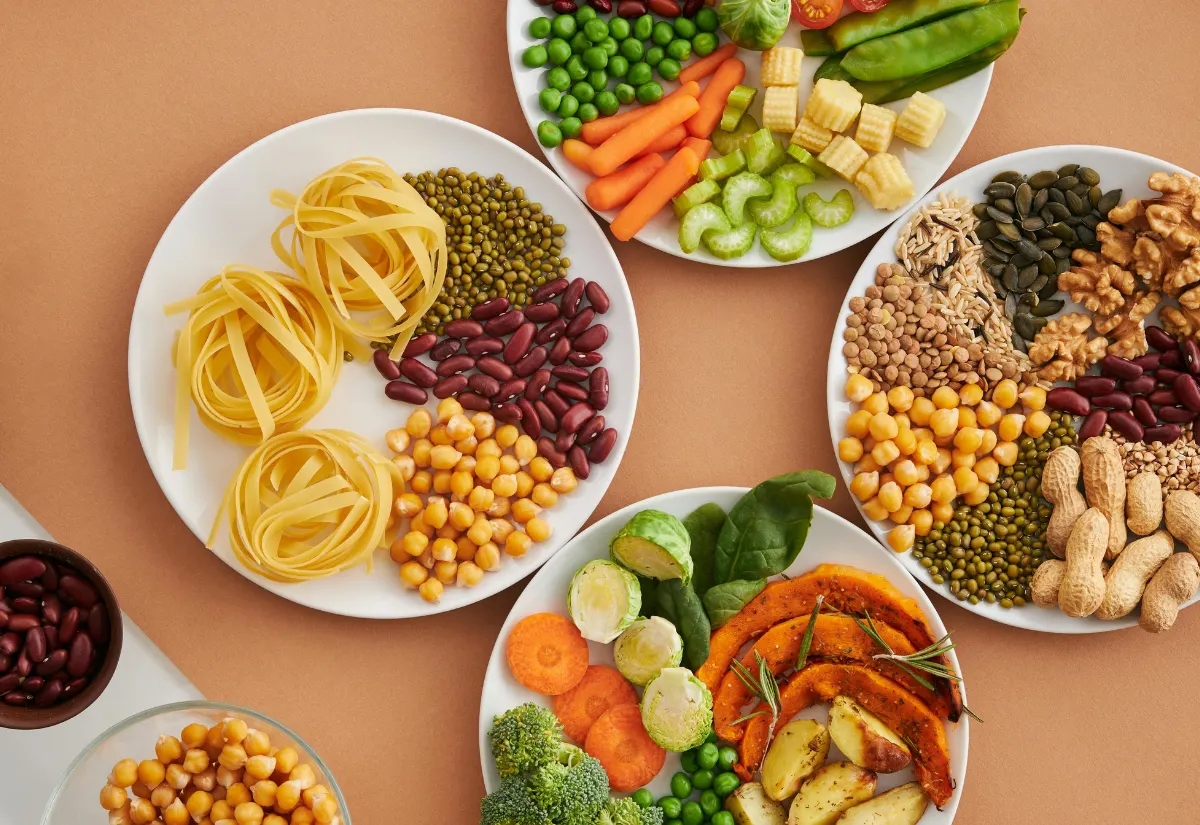
- Carbohydrates (reload glycogen): potato, rice, quinoa, bread, fruits.
- Quality proteins (repair muscle): trout, chicken, eggs, yogurt, legumes.
- Salts and liquids (rehydration): broths, soups, electrolyte drinks, juicy fruits.
The advantage:
Andean cuisine is already built for that. Quinoa, kiwicha, corn, tubers, dense broths and soups… everything works perfectly as “real food” recovery, not just processed bars.
Best Foods to Eat After MTB in Cusco
Not all foods work equally after cycling activity. Here we classify them by function so you choose according to how you feel after finishing. Don’t choose by craving, choose by function.
Clean Recovery (Carbohydrates + Protein)
- Sacred Valley Trout: Rich in Omega-3, ideal for reducing post pedaling muscle inflammation.
- Quinoa with lean protein: Quinoa is perfect; provides essential amino acids and slow absorption energy.

Moderate Option
- Lomo Saltado: A classic. Offers beef protein and quick carbs (rice and potato), but ask for it not too greasy.
- Pasta with alpaca ragù: Alpaca meat is extremely low in fat and high in iron, ideal for red blood cell production.

Rehydration and Warmth
- Andean Soup / Chairo: Broths are locals’ secret. They provide mineral salts, liquids, and are easy to digest if you have sensitive stomach from altitude.

Where to eat after mountain biking in Cusco?
Healthy bowl and smoothie restaurants
- Qura (Cusco): bowls, smoothies and “recovery meal” type options. Useful if you finish tired and want something light but complete.

- (Organika) (Cusco): It’s a renowned restaurant in central Cusco, Peru, focused on healthy, Peruvian and fusion cuisine known for organic approach.

Traditional Peruvian restaurants for recovery meals
- (Morena Peruvian Kitchen) (Cusco): Offers reimagined Peruvian dishes. They have grilled fish and chicken options that are light but nutritious.

Post ride tip:
If you finished really empty, order soup/broth first, then the main dish. It’s a simple strategy to recover faster.
Post Ride Nutrition Strategy at Altitude
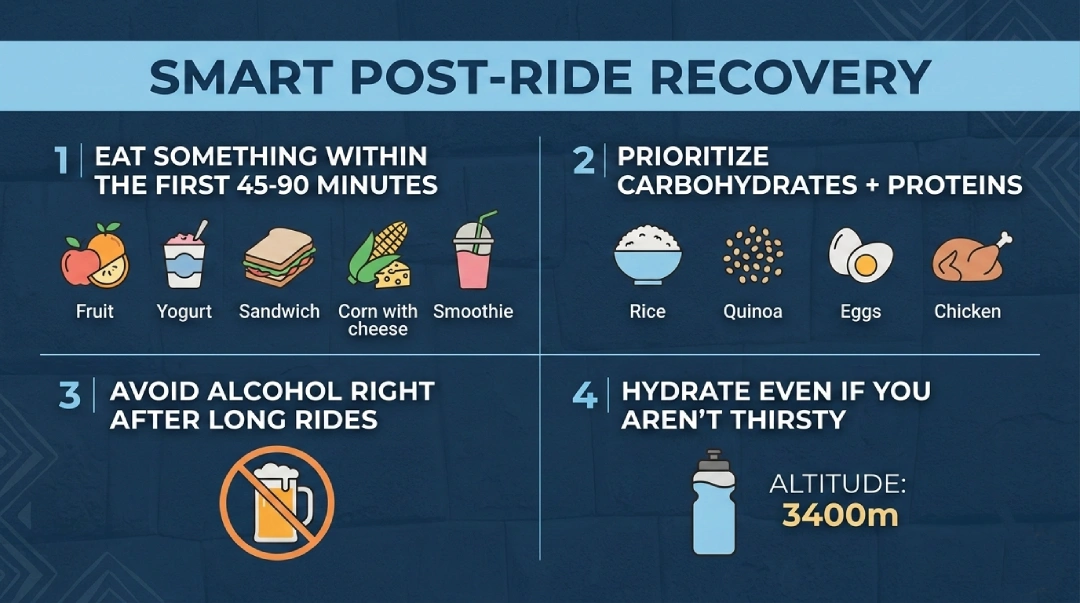
- Eat something within the first 45–90 minutes (even if small): fruit + yogurt, sandwich, corn with cheese, smoothie.
- Prioritize carbohydrate + protein in your main meal.
- Avoid alcohol right after long routes (dehydrates you and worsens sleep).
- Hydrate even if not thirsty (altitude is deceiving).
Altitude can lower appetite initially, but body still needs fuel. If solid food won’t go down, start with soup, yogurt, or smoothie and move to complete meal later.
Post Ride Strategy by Ride Type
| Ride Type | Duration / Intensity | Estimated Expenditure | What Your Body Needs | Recommended Strategy |
| Short – moderate ride | 1–2 h · Low–medium | 300–500 kcal Glycogen: 30–40% Muscle stress: Low |
Carbohydrates: 30–40 g Protein: 10–15 g |
500–750 ml liquid.
Options: corn with cheese + chicha morada, smoothie with yogurt, tamale + drink, emoliente with fruits. |
| Long moderate ride | 3–5 h · Medium intensity | 1,200–2,000 kcal Glycogen: 60–70% Muscle stress: Moderate–High |
Carbohydrates: 60–80 g Protein: 20–25 g |
0–30 min: snack/drink (fruit, corn, yogurt, bar). 60–90 min: complete meal. Examples: trout with quinoa and potato, “moderate” lomo saltado, quinoa chaufa with protein, pasta with protein. |
| Intense / very long ride | 5+ h · High intensity | 2,500–4,000 kcal Glycogen: 80–90% Muscle stress: High Muscle damage: Significant |
Carbohydrates: 80–100 g Protein: 25–35 g |
Meal 1 (0–30 min): quick snack (corn + banana + electrolytes, smoothie + empanada).
Meal 2 (60–120 min): soup + main dish (e.g. chairo + protein + potato/quinoa). Pre-bed snack: Greek yogurt with fruits, bread with peanut butter, or emoliente with cookies. |
Post Ride Recovery Checklist
- Water: 500–750 ml as soon as you finish.
- Salts: soup/broth or electrolyte drink.
- Carbohydrates + protein: within 90 min for sure.
- If riding again tomorrow: complete dinner + good sleep.
Common Post Ride Nutrition Mistakes
- Only drinking water: After long rides you also lose electrolytes and sodium.
- Waiting too long to eat: Waiting more than 2 hours delays glycogen recovery.
- Eating only protein: Recovery requires carbohydrates + protein, not just meat.
- Drinking alcohol immediately: Alcohol worsens dehydration and slows muscle repair.
- Skipping dinner after long rides: At altitude your body burns more energy overnight.
Thousands of travelers have trusted Peru Biking Tours to live unforgettable experiences in the Andes.
Your safety first
Routes adapted to your level, expert local guides and full support at all times.
Without worrying about anything
We take care of all the logistics so you can just focus on enjoying the scenery.
Authentic routes in Cusco
Experience the Sacred Valley in a real way, at your own pace, with access to the best trails.
Quality equipment
High-end enduro bikes, helmets and protective gear for all levels.
Plan your MTB experience in Cusco
MTB Day Tours in Cusco
If you want to explore MTB routes with the right logistics, local support, and suitable trail selection, check out our MTB Day Tours in Cusco.
E-bikes Tours
Curious how altitude impacts your e-bike in Cusco? Our E-Bike tours are designed for riders who want authentic enduro adventures in the Andes.
Frequently Asked Questions about Post Ride Meals
What is post ride gastronomy?
It’s the recommended nutrition after an MTB route to recover energy, rehydrate well, and along the way, enjoy local culture through its food.
How much does an average post ride meal cost in Cusco?
You can find a substantial local menu from $5 to $8 USD in markets, or à la carte dishes in specialized restaurants for $15 to $25 USD. Cusco has options for all budgets.
What to eat if I have nausea from altitude?
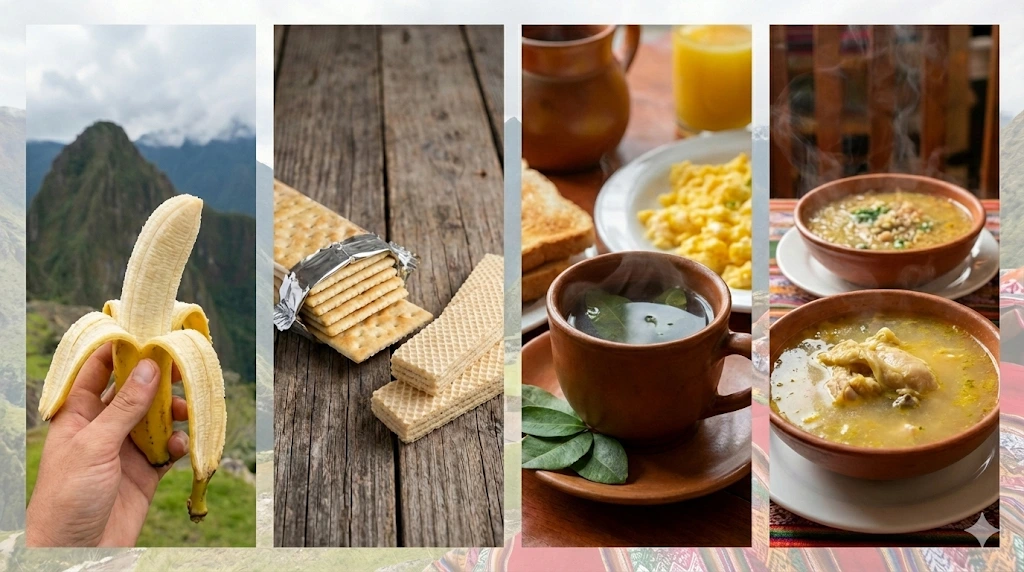
Prioritize liquids and semi-liquids. Coca tea, muña tea, or clear broth (for example, fat-free chicken broth) with something bland like soda crackers. Ginger (kion) tea also helps. Go slowly and don’t force solids until stomach settles.
What to order if I'm riding again tomorrow morning?
Look for dinner with easy to digest carbs and lean protein: pasta with chicken, rice with vegetables and a portion of trout or chicken. The idea is reloading glycogen without overwhelming your digestion. Avoid heavy fried foods.
How much protein do I really need after a hard route?
A palm-sized portion of chicken, fish, or meat is usually enough to support muscle recovery, as long as the dish also has carbs and hydration. You don’t need extreme shakes if eating balanced.
Is post ride beer a bad idea?
One can be good for morale, but several affect recovery. Alcohol competes with muscle repair processes and is also a diuretic, just when your body needs rehydration. Practical recommendation: first water and recovery food, and then, if you want, a beer to celebrate.
What quick option can I order if I'm in a hurry?
If you can’t sit down to eat, go to a café and order a chicken or avocado sandwich with whole grain bread and natural juice or yogurt to drink. It’s not ideal, but gets you out of the bind without falling into fried foods.
What does every cyclist's meal plan in the Andes include?
Should prioritize hydration (muña or coca tea for altitude), native carbs (potatoes, quinoa), and lean proteins (alpaca or trout). Alpaca meat stands out for being high in protein and low in fat, ideal for recovery.