
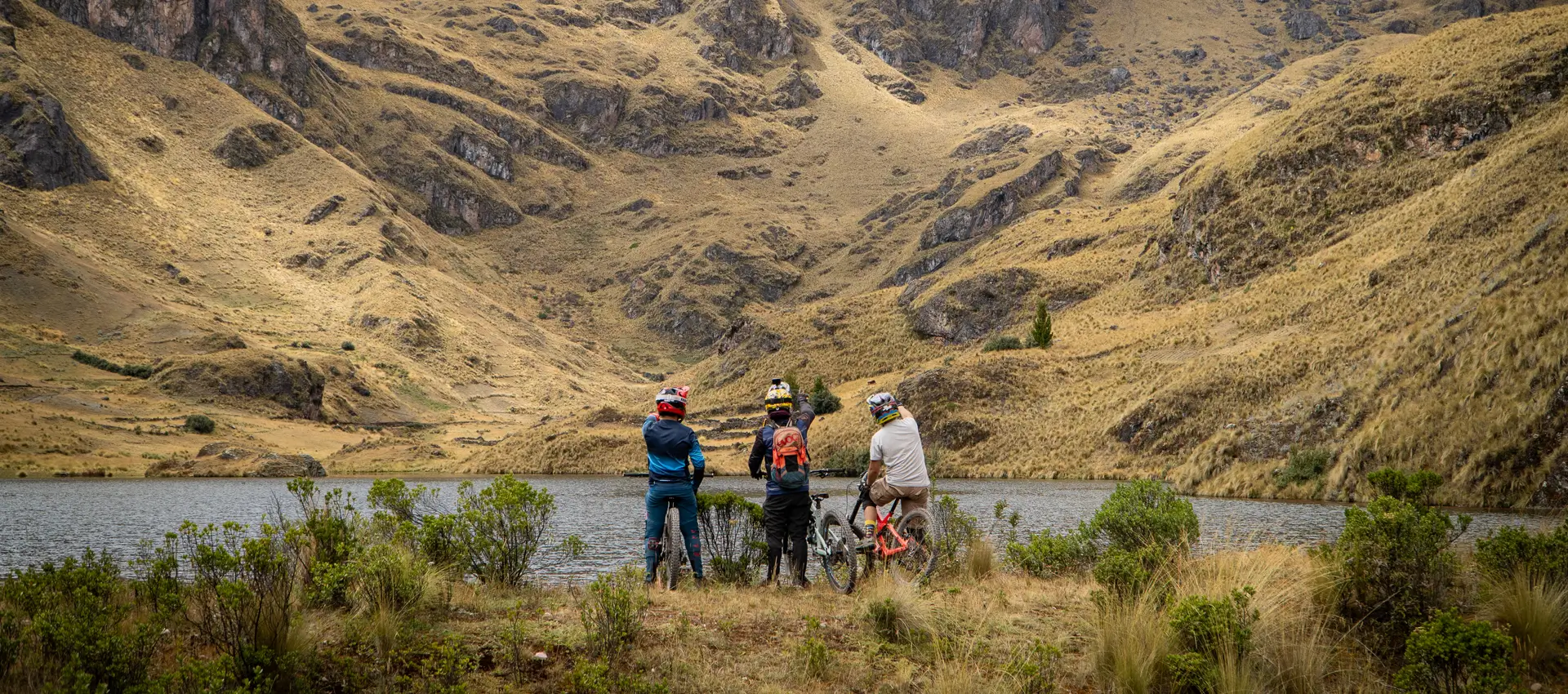
The Sacred Valley can give you one of the best rides of your trip or leave you on a route that simply was not right for you. The difference comes down to choosing well. Not every ride offers the same experience, which is why understanding the Best MTB Trails in the Sacred Valley matters if you want the right mix of adventure, scenery, and challenge.
Looking to test your skills on the Sacred Valley’s best trails? Our Cusco day tours are designed for riders seeking the perfect match between their style, ability, and the authentic enduro adventure of the Andes.
In this guide, you will compare routes, difficulty, and riding style so you can choose the trail that truly fits you.
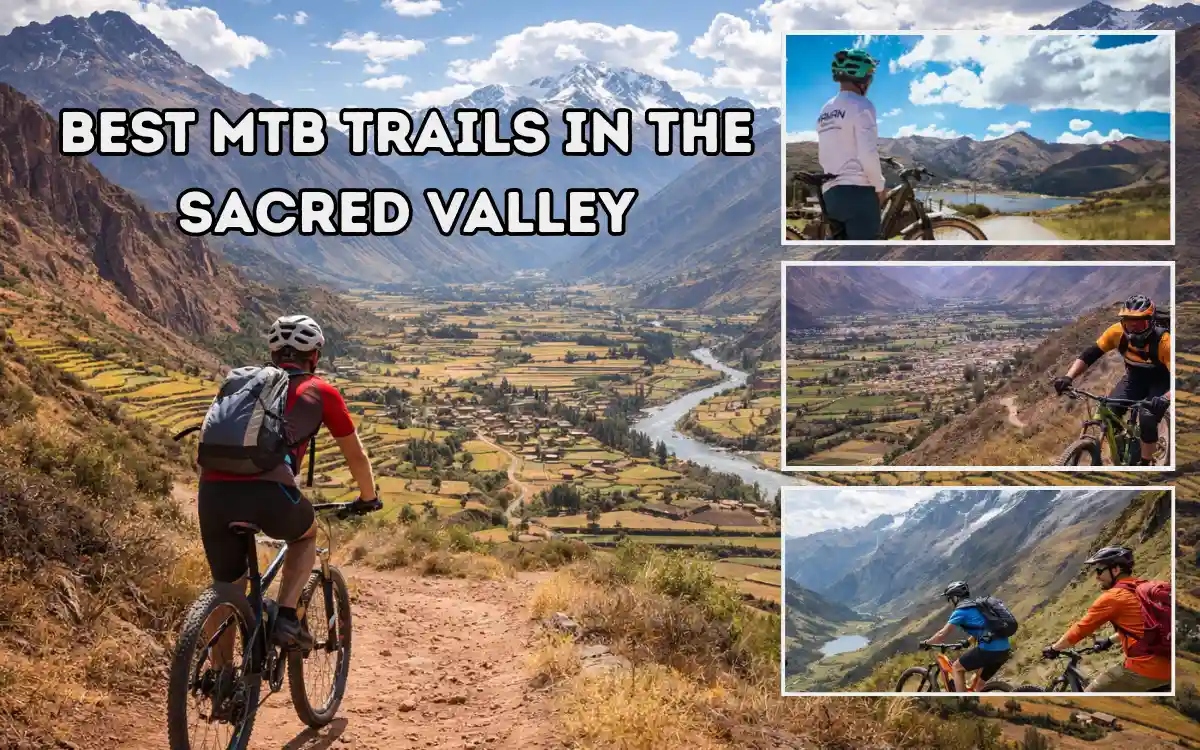
How to Choose the Right Route in the Sacred Valley
To choose wisely, it helps to look at four key factors: technical level, terrain type, altitude, and tour style. Two rides may look equally beautiful on paper and still feel completely different once you are on the trail. One may be perfect for an intermediate rider looking for flow and scenery, while another may demand confidence on loose rock, strong braking control, and previous experience riding at altitude.
Technical level
It is not just about pedaling. What matters is how you handle descents, corners, braking, and uneven surfaces.
Terrain type
Some routes follow smooth rural roads, while others include rocks, ledges, vertical drop, and truly technical sections.
Altitude
A moderate ride can feel much harder if you have not acclimated properly.
Ride style
A scenic ride with stops feels very different from a gravity focused day built around descending.
A General Comparison of the Best MTB Trails in the Sacred Valley
| Route / experience | Style | Level | What defines it |
|---|---|---|---|
| Maras and Moray | Cultural and scenic | Beginner to intermediate | A strong balance of scenery, archaeology, smooth riding, and accessible terrain. |
| Andean lagoons by e bike | Scenic and relaxed | Beginner | Beautiful landscapes, less physical strain, and a more comfortable way to explore. |
| Downhill Maras | Gravity | Intermediate | A long descent with strong scenery and a mix of flow and technical features. |
| The Other Side + Perolniyoc | Enduro / all mountain | Strong intermediate to advanced | More varied terrain, more trail reading, and a more complete ride for experienced riders. |
| Lamay | Technical enduro / gravity | Upper intermediate to advanced | A more serious route for riders who already feel comfortable on rough and demanding descents. |
| Inca Avalanche | High altitude gravity | Advanced | A benchmark descent defined by altitude, vertical drop, and a much more serious overall feel. |
Which Type of Rider Matches Each Route Best
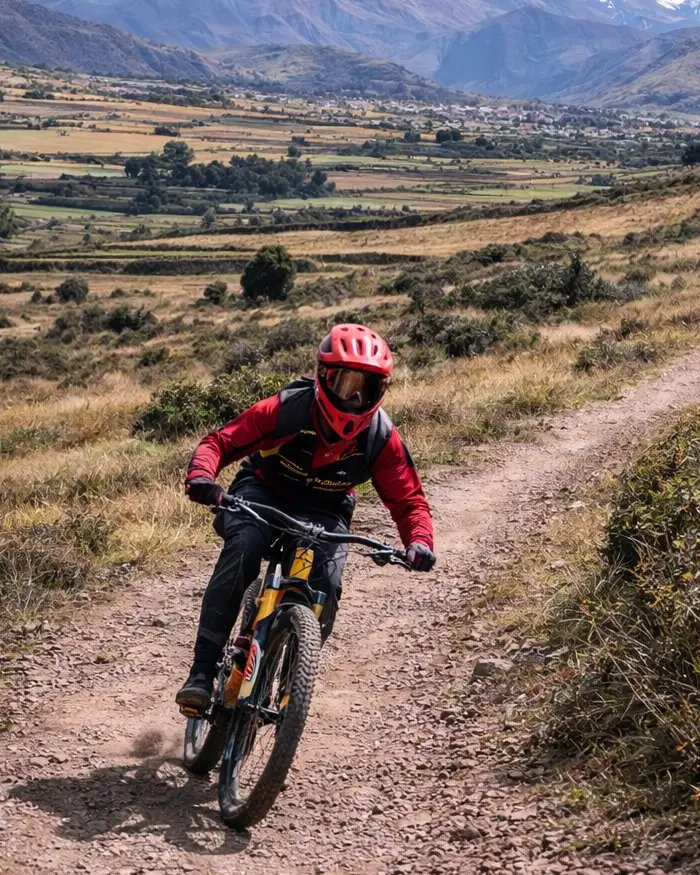
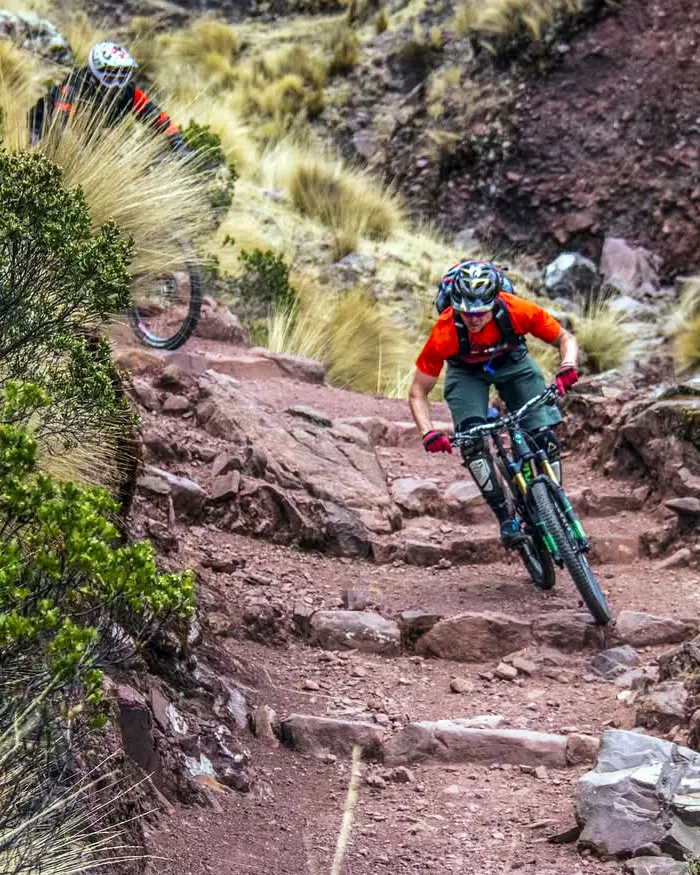
Route Comparison by Real Rider Level
| Rider profile | Routes that fit best | What to avoid |
|---|---|---|
| Lower intermediate | Maras and Moray, scenic e bike rides, and cultural routes with strong support. | Long technical descents chosen only because they sound exciting or famous. |
| Strong intermediate | Downhill Maras, all mountain combinations, and moderate enduro routes. | Choosing an advanced route before understanding how altitude affects you. |
| Advanced | Lamay, The Other Side + Perolniyoc, and longer, more technical days. | Underestimating the terrain just because you ride confidently in other destinations. |
| Gravity rider | Inca Avalanche, Lamay, and downhill specific routes depending on conditions. | Improvising a route without solid logistics, proper support, and the right equipment. |
When Each Type of Ride Makes the Most Sense
Not every route works equally well under the same conditions. Scenic and cultural rides tend to handle some variability better, especially when logistics are well organized. Gravity descents and more technical routes, on the other hand, are far more enjoyable when the ground is drier and line choice is easier to read.
How to Build an MTB Itinerary without wasting your trip
One of the best things about the Sacred Valley is that you are not locked into just one riding style. In fact, many travelers enjoy the trip more when they build it in stages. A first day can focus on a scenic or cultural route to get a feel for the altitude and the overall rhythm of the group. Then, if everything feels right, you can move into a more technical ride.
For riders staying several days, one of the smartest combinations is:
- Day 1: a destination reading ride and terrain adaptation day
- Day 2: an intermediate route with more flow or vertical drop
- Day 3: a gravity or stronger enduro route, if your body and skill level truly support it
This works far better than booking the hardest route right away just because it sounds more epic. In Cusco and the Sacred Valley, putting your rides in the right order matters as much as choosing the right bike.
What an Agency Should Offer if You Want Technical or Comparative Routes
If your real goal is to ride well and not just go on a casual outing, the agency matters much more. It is not simply about renting a bike. It is about having good route judgment, the ability to read the group, the flexibility to adjust the plan, and the honesty to recommend the route that actually makes sense.
The right bike for the terrain
A scenic e bike ride is not the same as a gravity day. The bike should match the route.
A guide who knows how to filter
A good guide does not sell just any route. They recommend what fits your level, altitude readiness, and travel goals.
Well planned logistics
Transfers, support, tools, snacks, and hydration make a real difference on longer or more technical days.
Honest evaluation
The best operator does not push the most extreme route. They help you choose the one that will actually work for you.
It Is Not About Riding Any Route, but the Right One for You
That is the real difference between a memorable experience and a poorly chosen day. The Sacred Valley offers routes for different types of riders, but they do not all give you the same experience, and not all of them belong in your itinerary. Some stand out because of their mix of landscape and culture. Others because of the flow. Others because of the technical challenge. The key is to compare, filter, and organize instead of booking blindly.
If you want to choose more confidently between scenic rides, e bike routes, all mountain, enduro, or downhill in Cusco, Peru Biking Tours offers a clearer option built around the real level of your group. It is not just about selling a ride. It is about helping you choose the route that truly fits your technique, your schedule, and the kind of trip you want to experience in the Andes.
Compare routes and book the one that truly fits you
At Peru Biking Tours, we design your MTB plan around your level, riding style, and available time.
Frequently Asked Questions
What is the best mountain biking route in the Sacred Valley?
That depends entirely on your level and the kind of experience you want. Maras and Moray is often one of the most balanced options for combining scenery, culture, and smooth riding. If your focus is gravity or enduro, routes like Lamay, The Other Side, or Inca Avalanche may be a better fit, as long as you have the skill to enjoy them properly.
Which route makes the most sense for an intermediate rider?
Intermediate riders often get the most out of routes like Maras and Moray or some Maras descents with a more gravity focused feel, depending on their confidence on the way down. The key is understanding the difference between a travel level intermediate rider and a trail ready intermediate rider. They are not exactly the same.
Is Lamay a good route for anyone with basic riding experience?
Not really. Lamay tends to feel much better for riders with stronger technique, comfort on rough terrain, and better line choice. It is not the best option for someone who is only starting to move into technical trails.
Question
It is one of the most serious benchmark routes because of its altitude, character, and overall demands, but real difficulty always depends on weather, trail conditions, and how the rider feels that day. More than asking whether it is the hardest, it makes more sense to ask whether it is truly the right fit for your profile.
Question
A cultural or scenic route usually offers a better balance between pedaling, landscape, history, and overall travel rhythm. A gravity route places the experience more directly on descending, vertical drop, technical control, and constant attention to the terrain. They are very different experiences even when they happen in the same valley.
Does it make sense to do an easier route before moving into a technical one?
In many cases, yes. It allows you to read the altitude, understand how your body responds, and get familiar with Andean terrain before raising the difficulty. It is a much smarter way to build the trip than starting with the hardest ride right away.
Does an e bike still make sense for experienced riders?
Yes. An e bike is not just for beginners. It also works very well for experienced riders who want to make better use of the day, cover more ground, enjoy more scenery, and save energy during a longer Cusco or Sacred Valley itinerary.
How can I tell if an agency is really recommending the right route for me?
A good sign is that they ask real questions about your experience, altitude readiness, bike type, riding style, and available days. If everything is sold as easy or perfect for anyone, they are probably not filtering properly. A serious agency guides first and sells second.